


Harmar Elementary Redevelopment Assessment
City of Marietta, OH
—
Located in Marietta’s historic Harmar Village near the confluence of the Ohio and Muskingum Rivers, the Harmar Elementary School site is both a significant community landmark and a major redevelopment opportunity. The site was home to Fort Harmar, the first U.S. military fort in the Northwest Territory, and later served generations of students after the school was constructed in 1953. Neighborhood Strategies was hired by the City of Marietta and Mayors’ Partnership for Progress to evaluate adaptive reuse and redevelopment options for the historic school building and property.
2026
Location
Washington County, OH
Expertise
Site Redevelopment/Reuse
Community Engagement
Attainable/Infill Housing
Site Vision Casting
Implementation Strategy
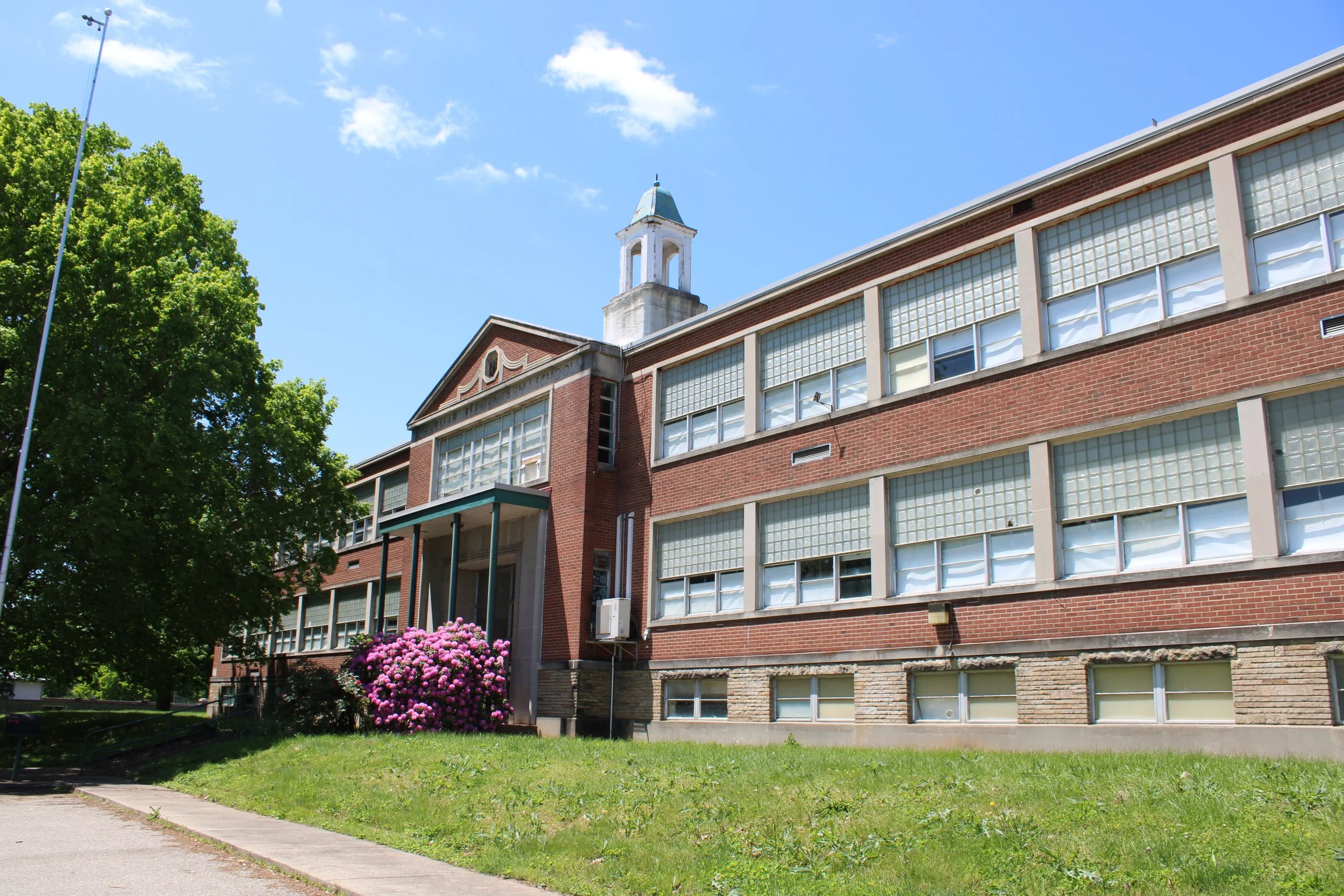
Balancing Historic Preservation with Community Renewal
The site remains an important part of Marietta's identity and is central to ongoing discussions about preservation and redevelopment. Neighborhood Strategies developed and evaluated opportunities that honor the site's history while advancing reinvestment, long-term sustainability, and community priorities.

Shaping Recommendations Through Community Engagement
Our team led a robust engagement process that included public meetings, stakeholder interviews, community surveys, youth-focused activities, and a stakeholder workshop. Input from residents, students, local leaders, and partner organizations helped shape four potential use concepts, ensuring the final recommendation reflected local priorities and a shared vision for Harmar Village.

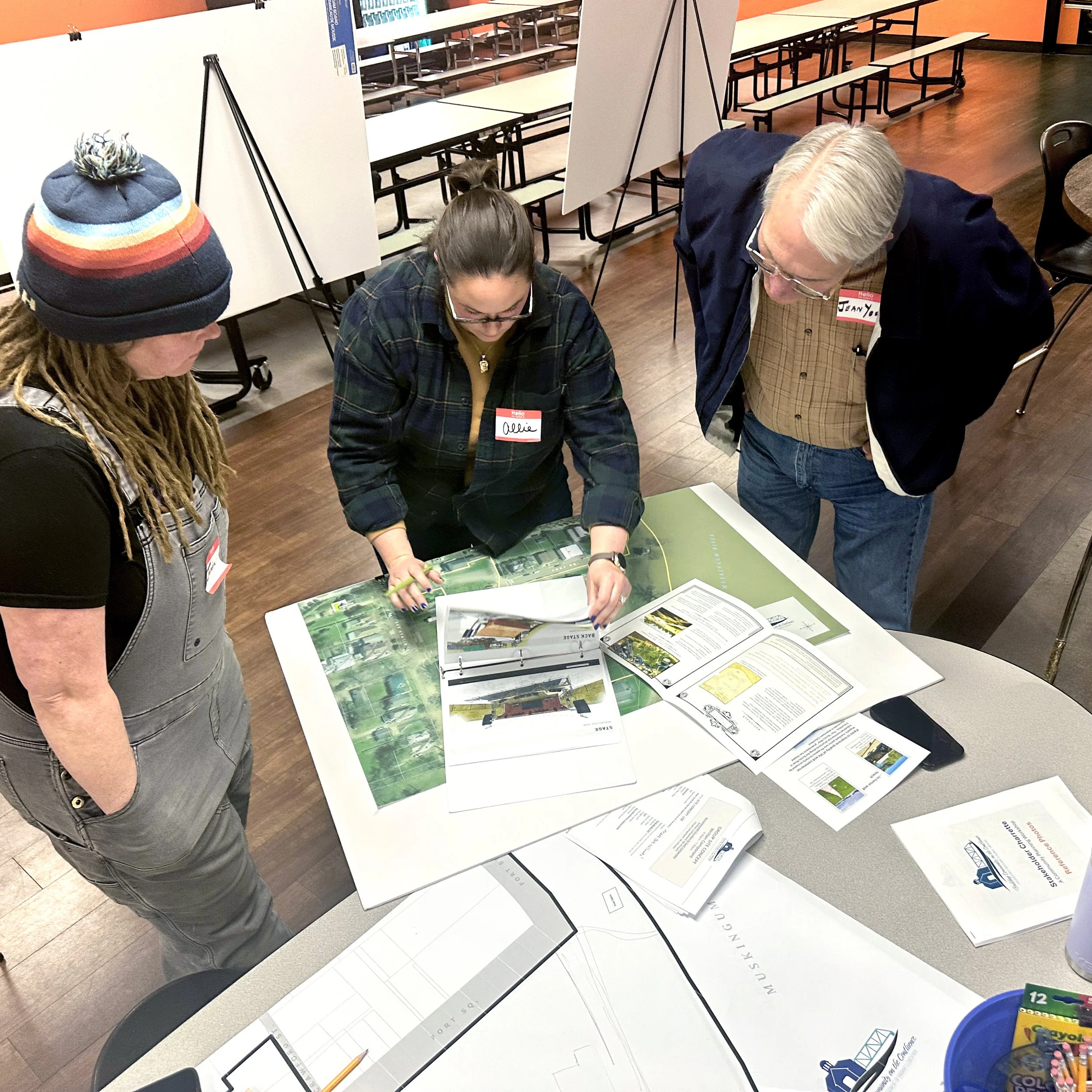





Reconnecting Harmar Village to the Riverfront
The assessment explores opportunities to strengthen connections between the school site, Harmar Village, downtown Marietta, and the Ohio and Muskingum Rivers. Strategies include improved pathways, riverfront access, park space, recreation amenities, and complementary programming. By linking site redevelopment with broader community and riverfront goals, the project positions the property as a catalyst for neighborhood connectivity, activity, and reinvestment.